
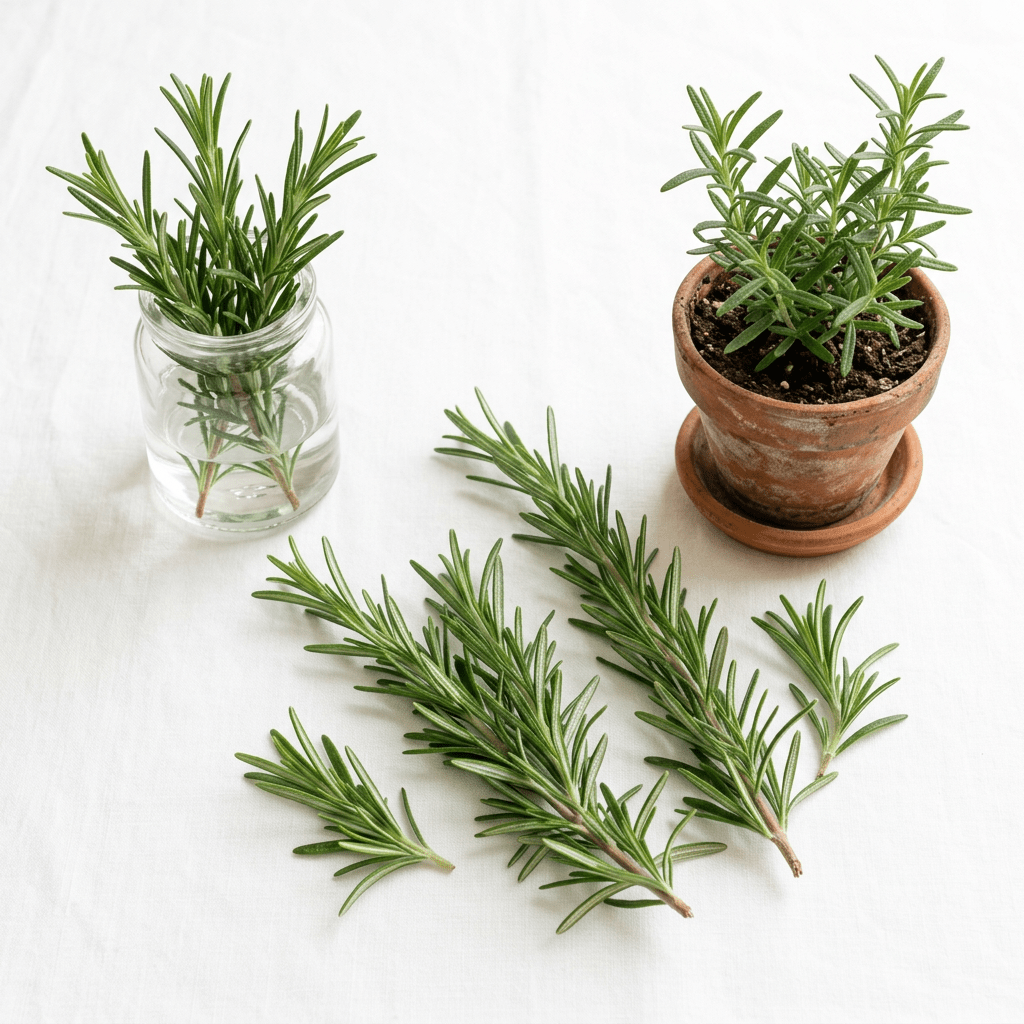
For thousands of years, rosemary (Salvia rosmarinus, formerly Rosmarinus officinalis) has been treasured as more than just a fragrant culinary herb. Ancient Greek scholars wore rosemary garlands while studying because they believed it enhanced memory. Medieval healers used it to promote healing and ward off illness, and today, modern science is beginning to validate many of its traditional uses.
Rich in antioxidants, anti-inflammatory compounds, and aromatic essential oils, rosemary offers benefits for the brain, skin, hair, immune system, and overall wellness. Whether enjoyed in cooking, brewed into tea, or used topically, rosemary is one of nature’s most versatile medicinal herbs.
A Powerful Source of Antioxidants
One of rosemary’s greatest strengths is its abundance of antioxidant compounds, including:
- Rosmarinic acid
- Carnosic acid
- Carnosol
- Ursolic acid
These compounds help neutralize free radicals, which are unstable molecules that contribute to aging and chronic disease. Oxidative stress has been linked to heart disease, diabetes, arthritis, and neurodegenerative disorders such as Alzheimer’s disease.
By reducing oxidative damage, rosemary may help support healthy aging while protecting cells throughout the body.
Supports Brain Function and Memory
Perhaps rosemary’s most famous benefit is its positive effect on cognitive function.
The aroma of rosemary contains compounds that may increase alertness and improve concentration. Researchers believe one of these compounds, 1,8-cineole, helps prevent the breakdown of acetylcholine, a neurotransmitter essential for memory and learning.
Several studies have demonstrated improvements in:
- Attention
- Mental clarity
- Processing speed
- Memory performance
Even simply inhaling rosemary essential oil has been associated with improved cognitive performance in healthy adults.
Although rosemary is not a treatment for dementia, ongoing research suggests it may help support healthy brain aging.
Natural Anti-Inflammatory Properties
Chronic inflammation contributes to numerous health conditions, including arthritis, cardiovascular disease, obesity, and autoimmune disorders.
Rosemary contains natural compounds that reduce inflammatory pathways throughout the body. These anti-inflammatory effects may help decrease pain, stiffness, and tissue damage when used as part of a healthy lifestyle.
Many herbalists recommend rosemary for individuals experiencing muscle soreness or minor joint discomfort.
Promotes Healthy Hair Growth
Rosemary has become one of the most popular natural ingredients for hair care.
Research suggests rosemary oil may:
- Improve circulation to hair follicles
- Stimulate new hair growth
- Reduce hair thinning
- Strengthen existing hair
- Improve scalp health
A landmark clinical study found rosemary oil performed similarly to 2% minoxidil (a common hair growth medication) after six months of use, while causing less scalp itching.
Because it improves circulation, rosemary may help deliver oxygen and nutrients directly to hair follicles, creating an environment that supports healthier hair growth.
Nourishes the Scalp
A healthy scalp is the foundation of healthy hair.
Rosemary’s antimicrobial and antifungal properties may help reduce:
- Dry scalp
- Mild dandruff
- Product buildup
- Excess oil
- Scalp irritation
When diluted properly in a carrier oil, rosemary oil creates a soothing scalp treatment that can be used once or twice each week.
Supports Healthy Digestion
Rosemary has long been used as a digestive herb.
It may help relieve:
- Mild bloating
- Gas
- Indigestion
- Stomach discomfort after meals
Rosemary also stimulates bile production, which assists the digestion of fats.
Many Mediterranean cultures enjoy rosemary tea after meals for this reason.
Supports Immune Function
Rosemary contains compounds with antibacterial, antiviral, and antifungal activity.
Although more human research is needed, laboratory studies suggest rosemary extracts may inhibit the growth of several microorganisms.
Including rosemary regularly in meals may contribute to a healthy immune system alongside proper nutrition, sleep, and exercise.
Skin Benefits
Rosemary is increasingly found in natural skincare products because it may help:
- Protect against environmental damage
- Calm irritated skin
- Reduce redness
- Improve skin tone
- Slow visible signs of aging
Its antioxidant properties help defend skin from oxidative damage caused by UV exposure and pollution.
Recipe for Natural Hair Care
After noticing increased hair shedding following a particularly stressful year, Jennifer decided to explore natural approaches before trying prescription treatments.
She began massaging diluted rosemary oil into her scalp twice each week and switched to a gentle shampoo. Within several months, she noticed less hair collecting in her brush and saw tiny new hairs beginning to appear around her hairline.
While individual results vary and many factors influence hair growth, Jennifer found that combining rosemary with consistent scalp care helped restore her confidence and encouraged healthier-looking hair.
Homemade Rosemary Hair Growth Serum
Creating your own rosemary hair serum is inexpensive and allows you to control every ingredient.
Ingredients
- 2 tablespoons jojoba oil
- 2 tablespoons castor oil
- 2 tablespoons argan oil
- 15 drops rosemary essential oil
- 5 drops peppermint essential oil (optional)
- 5 drops lavender essential oil (optional)
- One 2-ounce amber glass dropper bottle
Directions
- Add the jojoba, castor, and argan oils to the bottle.
- Add the essential oils.
- Close tightly and shake well.
- Store in a cool, dark place.
How to Use
Once or twice weekly:
- Apply several drops directly to the scalp.
- Massage gently for 5–10 minutes.
- Leave on for at least 30 minutes, or overnight if desired.
- Wash with a mild shampoo.
Consistency is important. Most studies evaluating rosemary oil for hair growth used it regularly for at least six months before noticeable improvements occurred.
Safety Tip: Always perform a patch test before first use. Never apply undiluted rosemary essential oil directly to the skin, and avoid use if you have a known allergy to rosemary or related plants.


Leave a Reply