
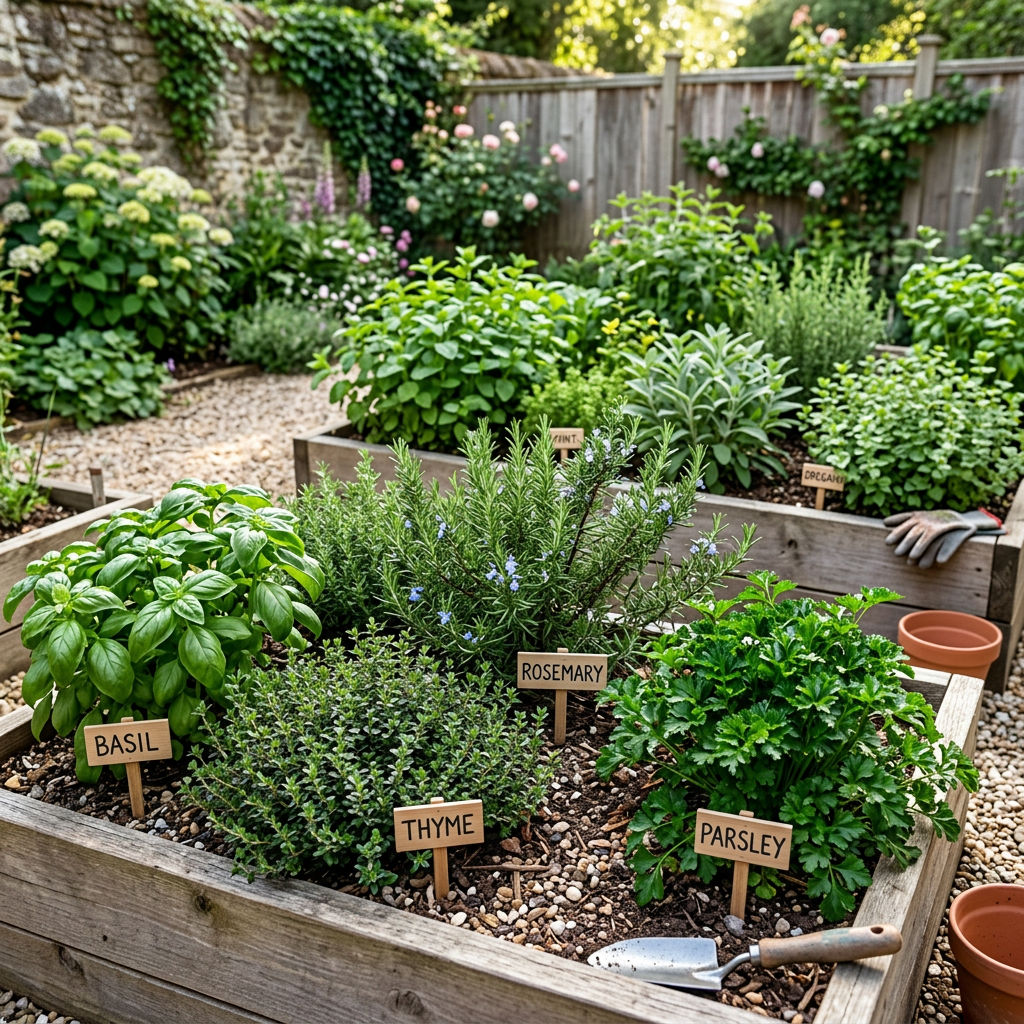
There’s something deeply satisfying about snipping fresh basil for your pasta sauce or pulling a sprig of mint for your tea, straight from a garden you planted yourself. Herb gardening is one of the most beginner-friendly ways to start growing your own food. Herbs are forgiving, fast-growing, and don’t require acres of space or a green thumb passed down through generations. Here’s how to get started.
Pick Your Spot
Most culinary herbs want 6 hours of direct sunlight a day, so start by scouting your yard, balcony, or windowsill for the sunniest spot available. South-facing locations tend to work best in the Northern Hemisphere. If you’re working with partial shade, don’t worry — herbs like mint, parsley, cilantro, and chives are more shade-tolerant than sun-lovers like rosemary and thyme.
Choose Herbs That Match Your Cooking (and Your Climate)
Rather than buying one of everything at the nursery, think about what you actually cook with. A good beginner lineup usually includes:
- Basil – loves heat, great for pasta and pesto
- Parsley – hardy and low-maintenance
- Chives – comes back year after year, mild oniony flavor
- Mint – grows aggressively (more on that below)
- Rosemary – woody, drought-tolerant, great for roasting
- Thyme – low-growing, pairs with almost everything
Check your USDA hardiness zone if you want herbs that will survive winter outdoors versus annuals you’ll replant each year.
Prepare the Soil
Herbs generally prefer well-draining soil — they don’t like sitting in soggy ground. If you’re planting in-ground:
- Loosen the soil to about 8-10 inches deep
- Mix in compost or aged manure to improve texture and nutrients
- Avoid heavy clay soil, or amend it generously with sand and organic matter
Most herbs aren’t picky about soil richness — in fact, overly fertile soil can make herbs like rosemary and thyme grow leggy with less concentrated flavor.
Plant with Spacing in Mind
Give your herbs room to grow. A general rule of thumb:
- Small herbs (thyme, chives): 6-8 inches apart
- Medium herbs (parsley, cilantro): 10-12 inches apart
- Larger, bushier herbs (basil, rosemary): 12-18 inches apart
A word of warning: plant mint in its own container, even if the rest of your garden is in the ground. Mint spreads through underground runners and will happily take over an entire bed within a season.
Water Consistently, But Don’t Overdo It
Water deeply but infrequently, letting the top inch of soil dry out between waterings. Overwatering is one of the most common herb garden mistakes — soggy roots lead to rot faster than most herbs can handle. A drip irrigation system or simple soaker hose makes life easier if you’re growing a full bed.
Harvest Often
Here’s the fun part: the more you harvest, the more herbs like basil and mint will produce. Regular trimming encourages bushier growth and prevents plants from “bolting” (flowering and going to seed, which changes the flavor). Pinch off the top sets of leaves rather than stripping whole stems, and always leave at least a third of the plant intact so it can keep growing.
No Yard? No Problem: Building a Patio Herb Garden in Pots
If you don’t have garden beds — or you’re renting, working with a small balcony, or just want more control over your herbs — growing in containers on a patio is an excellent alternative. It’s flexible, low-commitment, and lets you move plants around to chase the sun.
Choose the Right Containers
- Size matters: Most herbs do fine in pots that are at least 6-8 inches in diameter and equally deep. Larger herbs like rosemary or sage will eventually want a 12-inch pot or bigger.
- Drainage is non-negotiable: Make sure every pot has drainage holes in the bottom. Herbs sitting in trapped water will develop root rot quickly.
- Material: Terra cotta pots are breathable and help prevent overwatering, but they dry out faster and are more fragile. Plastic or glazed ceramic pots retain moisture longer, which can be helpful in hot climates but risky in humid ones.
Use a Quality Potting Mix, Not Garden Soil
This is one of the most important differences from bed gardening. Regular garden soil compacts in containers and drains poorly. Instead, use a potting mix specifically designed for containers, ideally one with perlite or vermiculite for aeration. You can also mix in a bit of compost for added nutrients.
Decide: One Pot Per Herb, or a Mixed Container?
Both approaches work on a patio:
- Individual pots give each herb full control over its own soil, water, and space — ideal for mint, which should always be solo, and for herbs with very different watering needs (like thirsty basil versus drought-tolerant rosemary).
- Mixed containers (“herb bowls”) look great and save space, but only combine herbs with similar sun and water requirements — for example, thyme, oregano, and rosemary all like it dry and sunny, while basil, parsley, and cilantro prefer more consistent moisture.
Group Pots by Sunlight Needs
Arrange your patio setup so herbs get the sunlight they need:
- Full-sun herbs (rosemary, thyme, oregano, basil) go in the sunniest spot, ideally 6+ hours a day
- More shade-tolerant herbs (mint, parsley, chives) can handle a spot with 3-4 hours of direct sun or bright indirect light
If your patio gets intense afternoon sun, consider moving pots to partial shade during the hottest summer stretch, or use a small shade cloth.
Watering on a Patio Takes a Bit More Attention
Potted herbs dry out faster than in-ground plants since there’s less soil mass and more exposure to air and wind. In hot weather, you may need to water daily. A simple finger test — sticking a finger an inch into the soil — tells you if it’s time to water. Self-watering pots or adding a layer of mulch on top of the soil can help reduce how often you need to check in.
Feed Your Container Herbs
Because nutrients wash out of pots faster than garden beds (thanks to more frequent watering and drainage), container herbs benefit from a light monthly feeding with a balanced, diluted liquid fertilizer during the growing season. Avoid over-fertilizing, though — it can push out lots of leafy growth at the expense of the concentrated oils that give herbs their flavor.
Bring Tender Herbs Indoors for Winter
One perk of container gardening: portability. If you’re growing tender herbs like basil in a climate with cold winters, you can bring pots indoors before the first frost and keep them going on a sunny windowsill, rather than losing the whole plant to the cold.
Journal Your Gardens
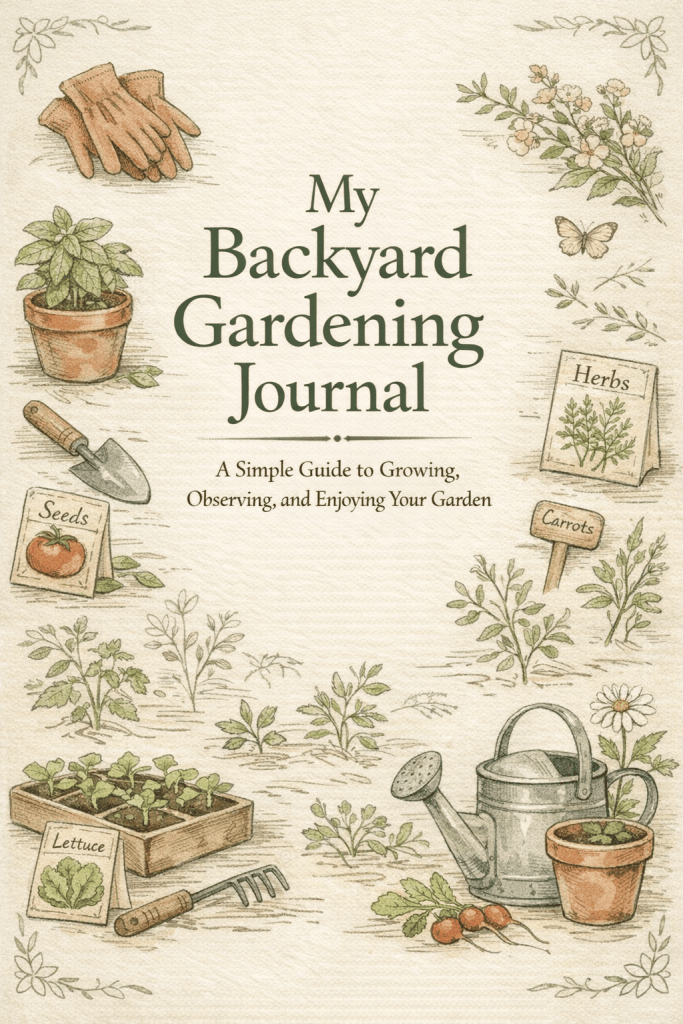
A very beneficial practice is to use a journal to document your garden. You can keep track of the weather, insects, soil conditions, and many other variables that can impact your garden. A great journal for a beginner is My Backyard Gardening Journal by Rosie Posie Press.


Leave a Reply